Narcissism Test & Empathy: Understanding Your Awareness & Setting Boundaries
Do you ever feel like you're speaking a different emotional language than someone in your life? Perhaps you express vulnerability and are met with a blank stare, or you find conversations constantly rerouted back to their achievements and problems. This disconnect often boils down to a fundamental difference in a crucial human ability: empathy.
Understanding the relationship between narcissistic traits and empathy is key to navigating complex relationships and improving your own self-awareness. This guide will explore the deep divide between them, help you recognize the signs of low empathy, and provide practical steps for setting the emotional boundaries you need to protect your peace.
If you're seeking to understand these dynamics more deeply, exploring your own patterns can be a powerful first step. A confidential narcissism test can offer valuable insights into your behavioral tendencies.
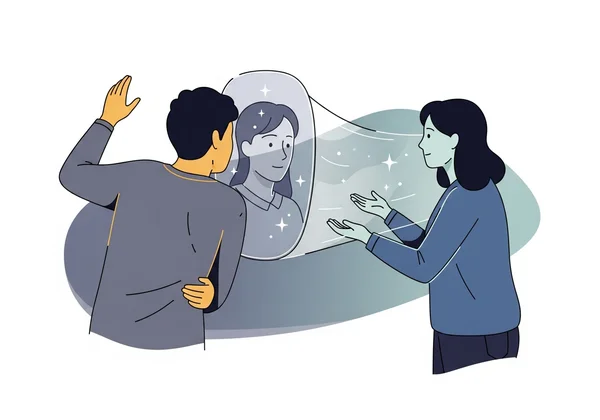
The Empathy-Narcissism Spectrum: Understanding the Divide
Think of empathy and narcissism as existing on opposite ends of a spectrum. On one side, you have deep, genuine empathy—the ability to understand and share the feelings of another. On the other, you have patterns of grandiosity, a need for admiration, and a marked lack of empathy, which are core features of narcissism. Most people fall somewhere in the middle, but when someone leans heavily toward one end, it profoundly impacts their interactions.
What is Empathy? More Than Just Feeling
Empathy isn't just about feeling sorry for someone. It’s a complex emotional and cognitive skill that involves two key parts:
- Cognitive Empathy: This is the ability to understand another person's perspective intellectually. You can see the world through their eyes, even if you don't feel the same emotions.
- Affective (or Emotional) Empathy: This is the ability to feel what another person is feeling. When they are sad, you feel a pang of sadness; when they are joyful, you share in their excitement.
True empathy requires both. It's the engine of genuine human connection, allowing us to build trust, offer support, and maintain healthy relationships.
The Core Conflict: Why Narcissists Struggle with Empathy
For individuals with strong narcissistic traits, the world revolves around them. Their primary focus is on maintaining a grandiose self-image, seeking validation, and protecting their fragile ego. This leaves very little room for the emotional needs of others.
The struggle with empathy is not always malicious; it's often a functional deficit. Their internal world fixates on personal needs and fears. This preoccupation creates emotional blindness to others' experiences. They may be able to perform cognitive empathy—saying the "right" thing to appear caring—but they often fail to connect on a genuine emotional level. This is why their attempts at comfort can feel hollow or self-serving.
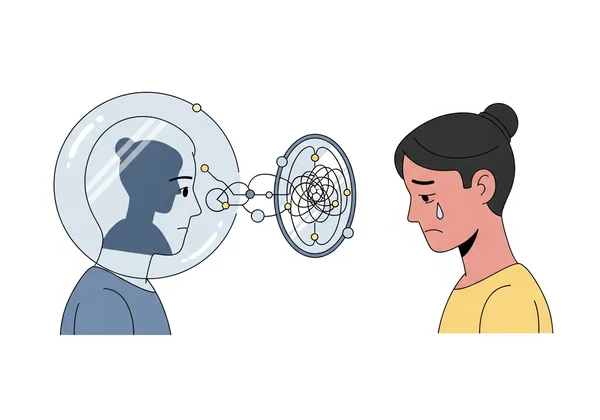
Recognizing Signs of Low Empathy in Yourself and Others
Identifying a lack of empathy can be tricky, as it often hides behind charm or confidence. Whether you're examining your own behaviors or trying to understand someone else, here are some common signs to watch for.
Common Behaviors: Emotional Blind Spots and Reactions
An individual with low empathy often displays predictable patterns in conversation and relationships. Look for these common behaviors:
- Conversation Hijacking: They consistently steer conversations back to themselves. You might share a problem, and they immediately respond with a story about how they had it worse. To explore how these patterns manifest in narcissistic traits, consider a narcissism behavior test.
- Dismissing or Minimizing Feelings: When you express sadness or frustration, they may say things like, "You're overreacting," "It's not that big of a deal," or "Just get over it."
- Giving Unsolicited Advice: Instead of listening and validating your feelings, they jump straight to "fixing" the problem. This makes the interaction about their competence rather than your emotional needs.
- Difficulty Apologizing: A genuine apology requires acknowledging the hurt you caused someone else. Lacking empathy makes this incredibly difficult, so apologies are often absent, backhanded, or defensive.
The Covert Side: Subtle Indicators of Empathy Deficits
Sometimes, the signs are not so obvious. This is particularly true with more covert forms of narcissism, where the individual may appear sensitive or humble on the surface. Subtle indicators include:
- Performative Empathy: They show empathy only when there's an audience. They might be incredibly supportive on social media or in public but cold and dismissive in private.
- Intellectualizing Emotions: They can talk about feelings with great intelligence but seem disconnected from the actual emotional experience. They analyze emotions instead of feeling them.
- Conditional Concern: Their empathy is conditional on how it benefits them. They might show concern for a colleague who can help their career but ignore the struggles of a subordinate.
Recognizing these subtle signs is crucial for understanding the true nature of your interactions.
Your Emotional Awareness Test: A Self-Reflection Guide
Self-awareness is the foundation of emotional health. If you are questioning your own level of empathy, it's already a positive sign. The following questions are not a diagnosis but a guide for honest self-reflection.
Questions for Self-Assessment: Gauging Your Empathy
Take a moment to consider these questions honestly. There are no right or wrong answers, only opportunities for insight.
-
When a friend shares good news, do I feel genuinely happy for them, or does a part of me feel envious or competitive?
-
In an argument, do I focus more on winning the point or on understanding the other person's perspective?
-
Do I find myself getting bored or impatient when others talk about their problems?
-
How often do I ask follow-up questions to better understand someone's feelings versus waiting for my turn to speak?
-
Am I able to sit with someone in their sadness without immediately trying to cheer them up or offer solutions?
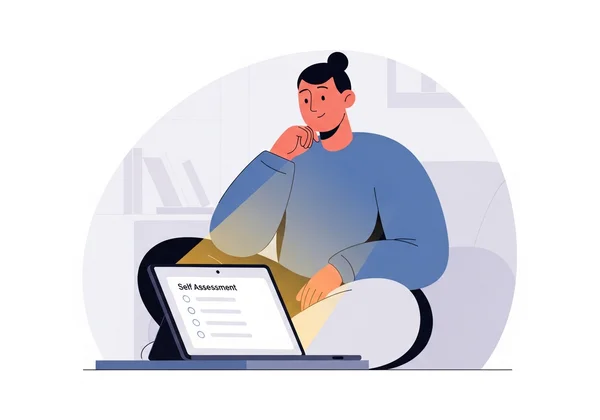
Understanding Your Empathy Test Results
Self-Assessment Results: Interpreting Your Responses
Reflecting on these questions can illuminate your natural tendencies. If you consistently find your focus turning inward, it may indicate a need to consciously practice empathy-building skills. It doesn't mean you are a "bad" person; it simply highlights an area for personal growth.
If these questions raise more confusion than clarity, getting a structured overview can be helpful. An online self-assessment can provide a framework for these reflections, helping you identify patterns you might not see on your own.
Protecting Your Peace: Setting Emotional Boundaries with Narcissistic Traits
If you are dealing with a person who consistently shows a lack of empathy, setting strong boundaries is not selfish—it is essential for your well-being.
Why Boundaries Are Non-Negotiable in These Dynamics
Interacting with someone who lacks empathy can be incredibly draining. You may feel persistently invalidated or drained. Without clear boundaries, you risk losing your sense of self, questioning your own feelings, and enabling unhealthy behavior.
Boundaries are the invisible lines you draw to protect your emotional, mental, and physical health. They teach others how you expect to be treated and define what you will and will not accept in a relationship.
Practical Strategies for Healthy Boundary Setting
Setting boundaries can feel uncomfortable at first, but it is a skill that gets easier with practice. Here are a few strategies to get started:
- Use "I" Statements: Frame your needs from your own perspective. Instead of saying, "You never listen to me," try, "I feel unheard when I'm not able to finish my thoughts."
- Be Clear and Concise: Avoid long explanations or justifications. A simple "I am not able to discuss this right now" is a complete sentence.
- Limit Contact and Information: You don't have to share every detail of your life. It's okay to limit the duration of your interactions or keep certain topics off-limits.
- Know Your Limits: Decide ahead of time what you will do if a boundary is crossed. For example, "If the conversation turns to criticism, I will end the call." This is about protecting yourself, not punishing them.
Building these skills requires self-awareness. Taking a free test can be a useful step in understanding your own relational patterns and needs.
Disclaimer: This article is for informational and educational purposes only. The content provided is not intended to be a substitute for professional medical advice, diagnosis, or treatment. The self-reflection tools on this platform, like our free narcissism assessment, are designed for personal insight and do not constitute a clinical diagnosis. Always seek the advice of a qualified mental health provider with any questions you may have regarding a medical condition.
Your Journey to Greater Awareness and Protection
The relationship between empathy and narcissism is a complex one, but understanding it is the first step toward healthier relationships and a stronger sense of self. Recognizing the signs of low empathy, whether in yourself or others, empowers you to make conscious choices. You can choose to cultivate your own empathy or set firm boundaries to protect your emotional energy.
Self-awareness grows with intentional reflection. Each sign of low empathy you recognize—whether in yourself or others—is an opportunity to practice boundary-setting or compassionate curiosity.
Curious how narcissistic traits might influence your relationships? Start with a confidential narcissism and empathy assessment to identify patterns.
Frequently Asked Questions About Narcissism and Empathy
How can I tell if I'm a narcissist or just highly confident?
Confidence is rooted in a stable sense of self-worth. A confident person can celebrate others' successes and admit their own mistakes without feeling threatened. Narcissistic traits, however, often stem from a fragile ego that requires constant external validation. This can lead to devaluing others to feel superior and an inability to handle criticism.
Is there a reliable test for narcissism or empathy online?
No online test can provide a clinical diagnosis of a personality disorder. However, well-designed tools can be excellent resources for self-reflection. A reliable online test for narcissism serves as an educational guide to help you identify potential patterns and traits, offering a starting point for deeper self-awareness or further professional consultation.
Can a narcissist ever truly develop empathy?
This is a complex and debated topic. It is extremely challenging because a core aspect of narcissism is a lack of insight into one's own behavior. While some individuals in intensive therapy may learn to practice cognitive empathy (intellectually understanding others' perspectives to improve their interactions), developing genuine, deep affective empathy is very rare.
What can be mistaken for narcissism in everyday interactions?
Several behaviors can be mislabeled as narcissism. For instance, assertive individuals may be mislabeled as selfish for protecting their time or needs. An introverted person may seem aloof or uninterested in others. Additionally, some traits associated with neurodivergence, such as in autism spectrum disorder, can affect social expression and be misinterpreted as a lack of empathy. It's crucial to look at the consistent, long-term pattern of behavior rather than isolated incidents.