Divorcing a Narcissist: What to Expect and How to Protect Yourself
Divorcing a narcissist can feel less like ending a marriage and more like trying to leave a conflict system that keeps pulling you back in. The label matters less than the patterns you are facing: blame shifting, image management, financial pressure, sudden charm, or arguments that never resolve. This guide is educational, not legal or mental health advice, and every divorce depends on your local laws and personal safety. Still, understanding the emotional pattern can help you prepare more calmly. If you are sorting out narcissistic traits in yourself or someone close to you, a private narcissism self-reflection resource can support clearer thinking before you decide what help to seek.

What Makes This Divorce Feel Different
Many divorces include grief, anger, money stress, and fear about the future. A divorce with narcissistic patterns may add another layer: the other person may treat the process as a performance, a contest, or a way to preserve control. You may see promises one day and punishment the next. You may also feel pushed to defend your character instead of solving practical issues.
Try to shift the question from "How do I prove who they are?" to "What behavior is affecting decisions, safety, money, communication, and children?" Courts, mediators, therapists, and support professionals usually respond better to clear behavior records than to broad labels. This mindset can reduce emotional exhaustion because you stop trying to win a personality debate and start building a practical record of what is happening.
It also helps to remember that narcissism exists on a spectrum of traits. A stressful divorce can bring out selfish or defensive behavior in many people. Strong, repeated patterns of entitlement, lack of empathy, manipulation, or retaliation deserve careful boundaries, but the most useful response is still grounded, documented, and professional.
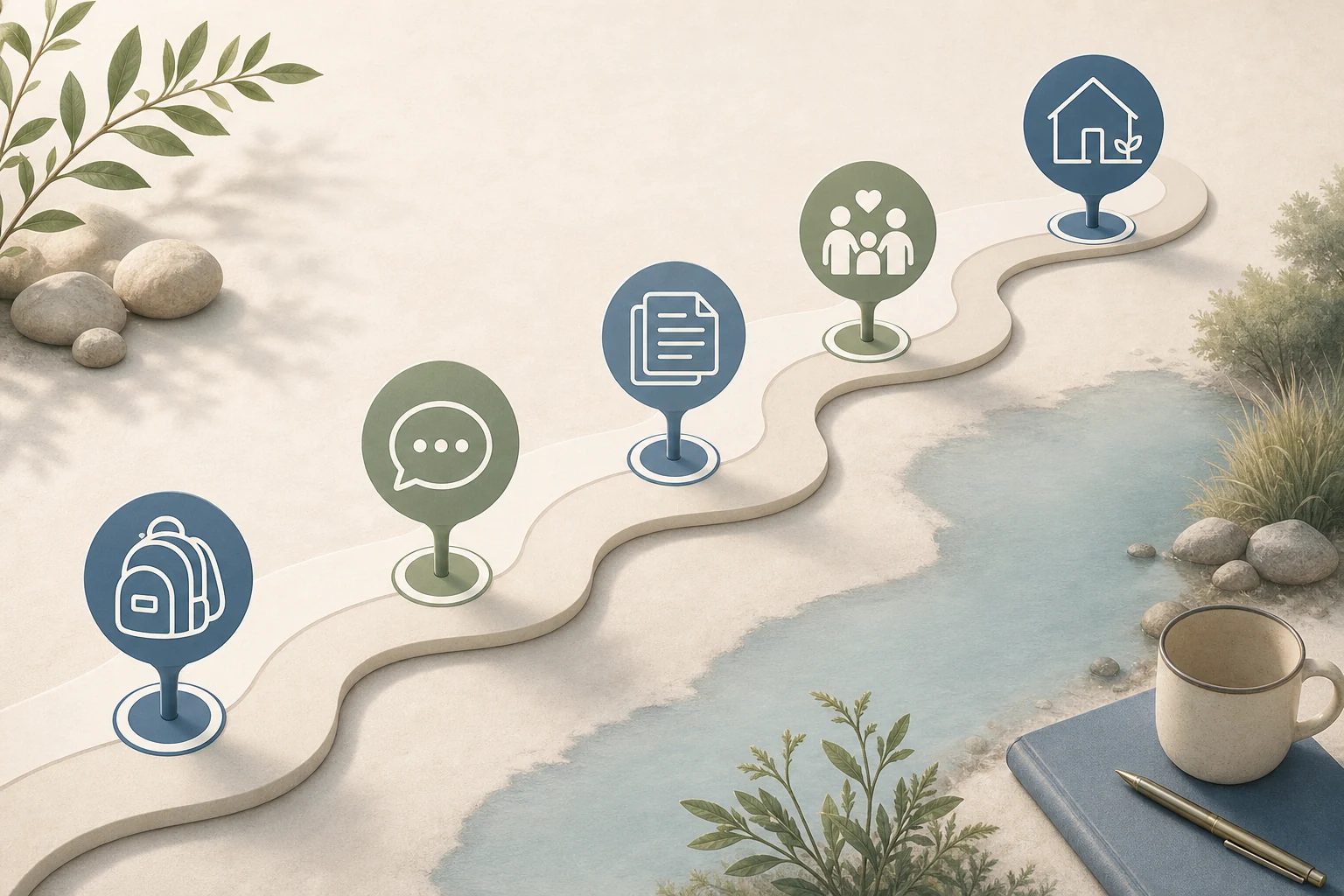
Stages of Divorcing a Narcissist
Stage 1: Private Preparation
Before you announce your plans, gather information quietly and safely. Make copies of financial records, insurance details, account statements, debt information, tax returns, and important documents. If you share devices, cloud accounts, or passwords, ask a qualified professional how to protect your privacy without violating local law or court rules.
This stage is also emotional preparation. Write down your priorities: physical safety, stable housing, parenting time, fair financial disclosure, or reduced conflict. When the divorce becomes noisy, these priorities help you avoid chasing every accusation.
Stage 2: The Announcement and Reaction
How narcissists react when you divorce them varies. Some appear calm and generous at first because they want to control the story. Others respond with anger, pleading, threats, public charm, or sudden victimhood. A common pattern is rapid switching: one message is affectionate, the next is punishing.
Your goal is not to match the emotional temperature. Keep communication brief, factual, and written when possible. If there is any risk of violence, stalking, coercive control, or child endangerment, contact local emergency services, a domestic violence hotline, or a lawyer experienced with safety planning.
Stage 3: Negotiation, Mediation, or Court
Divorce mediation with a narcissist can work only when there is enough disclosure, accountability, and professional structure. If the other person uses mediation to delay, intimidate, hide information, or pressure you into a quick settlement, you may need a more formal process.
This is where professional advice matters. Family law is local, and the right strategy in Arizona, Maryland, or any other state can differ. A lawyer can help you understand temporary orders, discovery, custody standards, support rules, and what kind of documentation is useful.
Stage 4: Children, Money, and Public Image
Conflict often intensifies around children and finances. A narcissistic spouse may seek more parenting time to look like the winning parent, withhold money to create pressure, or present a polished public image while privately escalating conflict. These patterns are hard to explain if you rely only on emotion. They become clearer when you keep dates, messages, missed exchanges, payment issues, and agreement changes organized.
Stage 5: After the Decree
Being divorced from a narcissist does not always end the pattern, especially with co-parenting. Post-divorce conflict may show up through schedule disputes, money arguments, new partners, holidays, or messages sent through children. A strong decree, clear communication boundaries, and a realistic support system can reduce the number of openings for future conflict.
How to Protect Yourself When Divorcing a Narcissist
The most protective habits are often quiet and repetitive. They do not create dramatic victories, but they make you harder to confuse, provoke, or isolate.
Start with documentation. Save written communication, financial records, parenting schedules, receipts, and key incidents in one organized place. A simple log can include the date, what happened, who was present, and whether there is supporting evidence. Keep the tone factual; imagine that a professional who knows nothing about your life will need to understand the pattern quickly.
Next, reduce verbal conflict. Written communication creates a record and gives you time to respond instead of reacting. Use short messages that answer the practical issue without defending your entire character. If co-parenting apps are appropriate in your situation, ask your lawyer whether they are useful.
Protect your attention. A person with strong narcissistic traits may try to pull you into side arguments about loyalty, gratitude, past mistakes, or who is the real victim. You do not have to answer every emotional hook. Pick the issues that affect safety, children, money, deadlines, and court orders.
Protect your support system too. Tell a few trusted people what kind of support actually helps: childcare during appointments, a place to store documents, calm check-ins, or reminders not to reply impulsively. If you are questioning whether a pattern is narcissistic, a nonjudgmental narcissistic traits reflection guide can help you organize your observations without turning the label into the whole story.
Mistakes to Avoid When Divorcing a Narcissist
The first mistake is announcing your plan before you have basic safety, money, and document preparation. In some marriages, a direct conversation is respectful and safe. In high-conflict or controlling relationships, early disclosure can trigger retaliation, financial restriction, or pressure campaigns. Get advice before you choose the timing.
The second mistake is trying to win emotional debates. You may want the other person to admit what happened, apologize, or understand your pain. That desire is human. But divorce decisions usually move forward through evidence, deadlines, and agreements, not emotional confession.
The third mistake is relying on informal agreements. If the other person often changes the story, denies conversations, or moves goalposts, get important terms in writing and ask a professional what is enforceable.
The fourth mistake is ignoring your body. Long conflict can affect sleep, concentration, appetite, and decision-making. Therapy, medical care, support groups, and steady routines are not luxuries; they can help you make better choices under pressure.
Divorcing a Narcissist With Children
When children are involved, the goal is not to make them choose sides. The goal is to reduce their exposure to adult conflict and create as much predictability as possible. Keep adult details away from children, even when the other parent does not. Children should not carry messages, monitor the other household, or serve as emotional witnesses.
Document parenting issues carefully, but avoid turning every disagreement into a court-level crisis. Focus on patterns that affect the child: missed exchanges, refusal to follow medical or school decisions, disparaging comments, unsafe behavior, or schedule disruption. If your child seems anxious, withdrawn, fearful, or caught in loyalty pressure, consider a licensed child therapist or family professional.
Co-parenting after divorcing a narcissist may require more structure than ordinary co-parenting. Parallel parenting, detailed parenting plans, written communication, and clear exchange rules can reduce conflict when friendly cooperation is not realistic. Your attorney can explain what options exist where you live.

Long Marriages, Covert Patterns, and Starting Over
Divorcing a narcissist after 20 years or 30 years can feel especially disorienting. You may be grieving the marriage, the time invested, the version of the future you expected, and the identity you built around keeping things together. If the pattern was covert, private, or socially polished, other people may not understand why leaving took so long.
This can happen whether the spouse is a husband or wife. A narcissistic wife may use social reputation, parenting image, or emotional blame. A narcissistic husband may use money, intimidation, charm, or authority. Those examples can also reverse. The useful question is not gender; it is which behaviors are repeated and how they affect safety, fairness, and recovery.
Starting over is not only a legal task. It is a nervous system task, a financial task, a parenting task, and a social task. Give yourself permission to rebuild in layers. One layer may be legal clarity. Another may be sleep. Another may be learning to make small choices without bracing for criticism.
A Steady Way to Move Forward
Divorcing a narcissist is not about becoming colder, harsher, or more like the person you are trying to leave. It is about becoming harder to derail. You can be firm without being cruel, strategic without being manipulative, and protective without making every decision from fear.
Use professionals for professional problems: lawyers for legal strategy, financial specialists for complex assets, therapists for emotional recovery, and safety advocates when there is abuse or coercive control. Use reflection tools for reflection. If you want a private place to think through narcissistic behavior patterns before a conversation with a professional, you can explore a private narcissism self-reflection tool as one educational step, not as a substitute for personal advice.
FAQ
What not to do when divorcing a narcissist?
Do not rely on verbal promises, respond to every provocation, hide important facts from your lawyer, or use children as messengers. Avoid posting about the conflict online. Do not make major financial or parenting decisions just to stop the pressure unless you understand the long-term consequences.
How do narcissists react when you divorce them?
Some react with anger, threats, blame, delay, or public image management. Others use charm, gifts, apologies, or sudden cooperation to regain influence. The same person may switch between these reactions. Focus on documented behavior rather than predicting one fixed response.
How do you outsmart a narcissist in a divorce?
Think less in terms of outsmarting and more in terms of staying structured. Keep records, use professional advice, communicate in writing, protect your privacy, and choose battles based on outcomes. The strongest position is often calm consistency.
How do narcissists treat their children after divorce?
Some remain involved and appropriate. Others may use children for image, control, loyalty pressure, or conflict with the other parent. Watch for patterns that affect the child's wellbeing and speak with qualified legal and mental health professionals if concerns continue.
Can divorce mediation work with a narcissist?
It can work when both people provide information, follow rules, and negotiate in good faith. It may fail when one person uses mediation to delay, intimidate, hide assets, or pressure the other spouse. Ask a family lawyer whether mediation is suitable for your facts.
What if I am divorcing a narcissist after 20 years?
Expect grief, confusion, and practical rebuilding to take time. Long marriages often involve shared finances, family roles, social circles, and habits of appeasing conflict. Move step by step: legal advice, document organization, emotional support, financial planning, and daily stability.
Are books or podcasts about divorcing a narcissist enough?
Books and podcasts can help you feel less alone and learn language for patterns. They are not enough for legal decisions, safety risks, custody concerns, or complex finances. Use them as education, then bring your specific situation to qualified professionals.